

What businesses should consider before choosing a commercial property location
Choosing a commercial or industrial property is a strategic decision. Location influences operational efficiency, staff experience and long-term flexibility. While cost and availability are important, they should not be the only factors guiding the choice.
A well-considered location supports business objectives rather than constraining them.
Understanding operational needs
Before assessing locations, businesses benefit from clearly defining how the space will be used. Office-based teams, light industrial operations and logistics-focused businesses all have different requirements.
Factors such as access for deliveries, parking needs, power capacity and ceiling height can quickly rule out unsuitable areas. For office users, proximity to public transport, surrounding amenities and ease of access for staff may be more relevant.
Clarity at this stage prevents costly compromises later.
Accessibility and transport links
Transport infrastructure plays a significant role in location suitability. Easy access to major routes can improve efficiency for logistics and distribution, while reliable public transport options support staff mobility.
In Gauteng, congestion patterns also matter. Locations that appear convenient on a map may present daily challenges during peak hours. Evaluating real travel times, rather than distances alone, offers a more accurate picture.
Accessibility affects not only operations but also staff satisfaction and retention.
Workforce considerations
A location should align with where a business draws its workforce. Long or complex commutes can impact productivity and morale over time.
Access to nearby services such as food outlets, childcare and medical facilities can enhance the workday experience, particularly for office-based teams. These elements contribute to a functional working environment, even though they are often overlooked during initial planning.
Zoning and compliance
Zoning regulations and municipal requirements must align with the intended use of the property. This is particularly important for industrial and warehousing operations, where specific permissions may be required.
Understanding local regulations early helps avoid delays or restrictions that could limit operations. It also provides clarity on potential future changes or expansions.
Flexibility for future growth
Business needs evolve. A location that works today should also accommodate reasonable growth or change.
This may include the ability to expand within the same area, adapt the internal layout or adjust operational hours. Locations with mixed-use development or established business nodes often offer greater long-term flexibility.
Choosing a property with future needs in mind reduces disruption and relocation costs.
Conclusion
Location selection is not just a property decision. It is a business decision with operational and human implications.
By considering accessibility, workforce needs, regulatory requirements and future flexibility, businesses can choose locations that support sustainable growth. A thoughtful approach at this stage lays the foundation for smoother operations and better long-term outcomes.
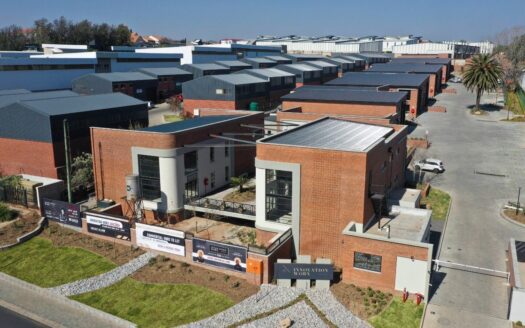
Contact us today to schedule a tour of our Innovation Worx Parks and discover how we can support your business